
Preventing And Treating Mould, Mildew And Condensation
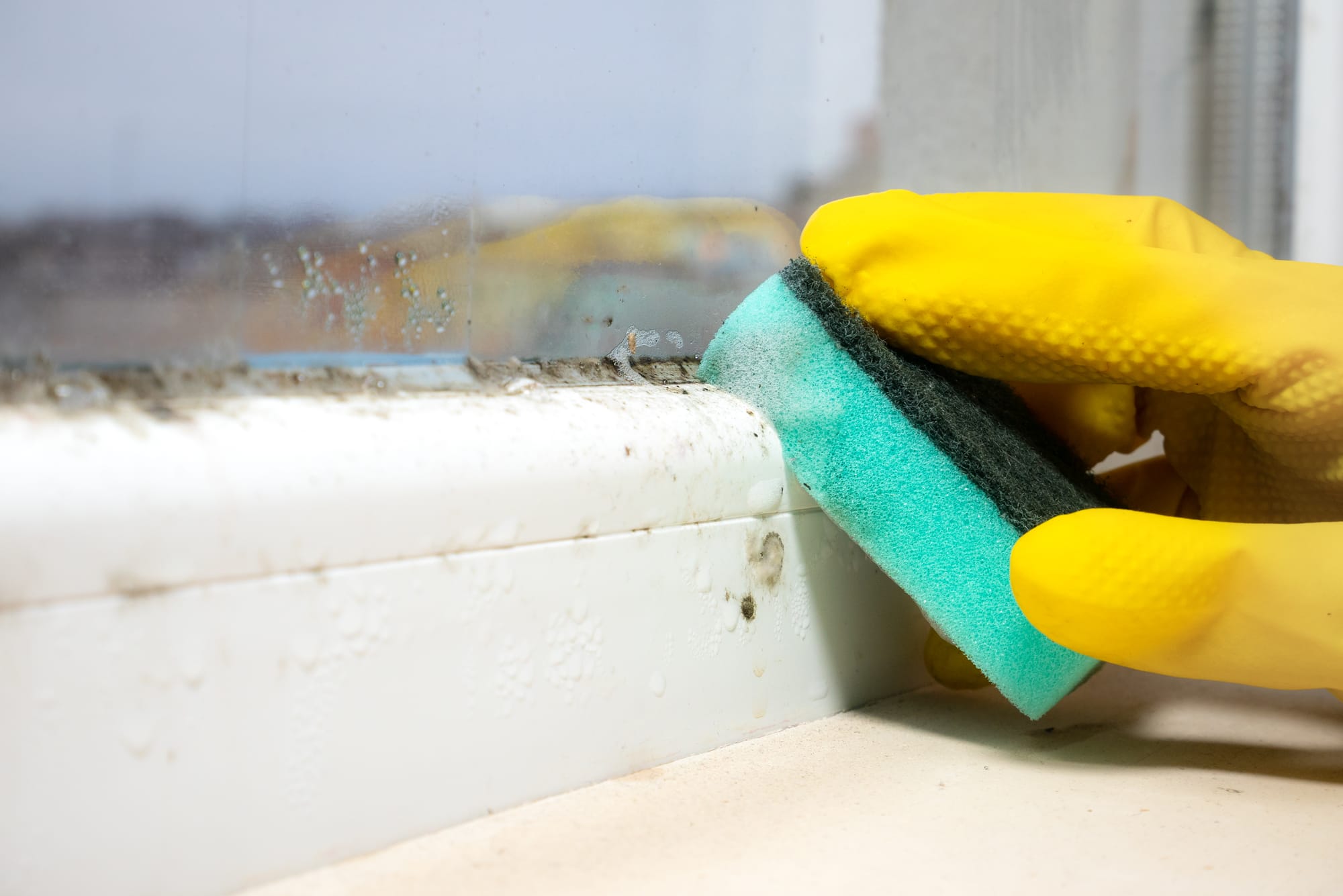
Mould, mildew and condensation can appear in any home where excess moisture is allowed to build up. This is especially common during colder months, when windows are opened less often, heating is used more, and bathrooms, kitchens and bedrooms are not ventilated properly.At Hindhead Property, we want all tenants to enjoy a clean, healthy and well maintained home. This guide explains what causes mould and mildew, how to help prevent it, and when to report a possible maintenance issue.
What Causes Mould And Mildew?
Mould and mildew usually develop where moisture is present. Common causes include condensation, poor ventilation, leaks, drying clothes indoors, steam from cooking, steam from showers, blocked gutters, and furniture being placed too closely against external walls.In many cases, mould is not caused by a fault with the property. It can be caused by everyday moisture being trapped inside the home.Simple daily habits can make a big difference.
Report Leaks Or Damp Issues Promptly
Please check your home regularly for signs of leaks, water staining, damp patches, damaged sealant, dripping taps, or water gathering around baths, showers, sinks, windows and appliances.If you notice a possible leak or damp issue, please report it to Hindhead Property as soon as possible.Early reporting helps prevent further damage and allows us to investigate the matter properly.
Use Extractor Fans Properly
When showering or bathing, please make sure the extractor fan is switched on and left running during and after use.Extractor fans are designed to remove warm, damp air from the room. If the fan makes a humming or running noise, this usually means it is doing its job and removing excess moisture.Please do not turn the extractor fan off at the isolation switch outside the bathroom simply because it makes a noise. That switch is normally there for maintenance and safety purposes, not for everyday use.Turning the fan off prevents it from doing its job and can quickly lead to condensation, mould, mildew and damage to the room.After showering, it is helpful to:Open the bathroom window where possibleLeave the extractor fan running long enough to clear the steamWipe down wet tiles, mirrors, windows and shower screensLeave the bathroom door open once finished, if practicalAvoid shutting damp air inside the bathroomIf an extractor fan is unusually loud, rattling, not working, or appears faulty, please report it to Hindhead Property. Please do not simply switch it off and leave the room without ventilation.
Keep The Property Well Ventilated
Good ventilation is one of the most effective ways to reduce condensation.Where possible, please:Open windows for short periods each dayUse extractor fans in bathrooms and kitchensKeep trickle vents open where fittedAvoid blocking air ventsKeep internal doors open when safe and practical to allow air to circulateVentilate bathrooms after showers or bathsVentilate kitchens when cookingEven opening windows for 10 to 15 minutes a day can help reduce moisture levels inside the property.
Use Dehumidifiers Properly
If you have a dehumidifier in the property, please make sure it is actually turned on and used regularly.A dehumidifier cannot help if it is left switched off, unplugged, full of water, or stored away. It works by pulling moisture from the air, which helps reduce condensation and mould risk.Please remember to:Turn the dehumidifier on when moisture levels are highUse it when drying clothes indoorsUse it after showers or cooking if neededEmpty the water tank regularlyClean the filter where requiredKeep doors and windows closed while it is running, unless the manufacturer says otherwisePlace it in a suitable open area so air can circulate around itIf the water tank becomes full, most dehumidifiers will stop working until emptied. If it is not emptied regularly, it will not remove moisture from the air.
Reduce Condensation
Condensation forms when warm, moist air meets a cold surface, such as windows, walls, tiles, mirrors or ceilings.To reduce condensation, please:Wipe down wet windows, sills, tiles and surfacesUse lids on pans when cookingAvoid drying clothes on radiatorsDry clothes outside where possibleUse a clothes airer in a well ventilated room if indoor drying is unavoidableUse a dehumidifier when drying clothes indoorsKeep the property reasonably heated during colder weatherLeave space between furniture and external walls to allow air movementIf condensation is left untreated, it can lead to mould growth and damage to decoration, walls, furniture and personal belongings.
Do Not Dry Clothes On Radiators
Drying clothes on radiators releases a large amount of moisture into the air. This moisture then settles on cold walls, windows, ceilings and furniture, which can cause condensation and mould.Where possible, clothes should be dried outside or in a suitable tumble dryer.If clothes must be dried indoors, please:Use a clothes airerKeep the room well ventilatedUse a dehumidifierAvoid drying clothes in bedrooms where possibleDo not place wet clothes directly on radiatorsOpen windows for short periods to allow moisture to escape
Keep The Property Warm Enough
Cold rooms are more likely to suffer from condensation because warm, damp air settles on cold surfaces.During colder months, please try to keep the property reasonably and consistently heated. Allowing rooms to become very cold and then suddenly heating them can increase condensation.It is better to maintain a steady background temperature where possible, especially in bedrooms, bathrooms and rooms with external walls.
Allow Air To Circulate
Mould often forms behind furniture, inside wardrobes, and in corners where air cannot move properly.Please avoid pushing large furniture directly against external walls. Leave a small gap between wardrobes, beds, sofas, drawers and the wall so air can circulate.It is also helpful to:Avoid overfilling wardrobes and cupboardsOpen wardrobe doors occasionallyKeep internal doors open when practicalAvoid blocking vents or trickle ventsDo not cover air bricks or ventilation points
Wipe Away Condensation
If condensation appears on windows, sills, tiles, mirrors or walls, please wipe it away regularly.Leaving water sitting on surfaces can lead to mould growth, damaged paintwork, stained silicone, rotten timber, and damage to personal belongings.This is especially important in the mornings, after showering, and after cooking.
Use Lids When Cooking
Cooking produces a lot of steam. Please use lids on pans where possible and make sure the kitchen extractor fan is used when cooking.If there is no extractor fan, or if extra ventilation is needed, open a window slightly while cooking and for a short time afterwards.Please also avoid allowing kettles, pans and steamers to release large amounts of moisture into an unventilated room.
Clean Early Signs Of Mould Or Mildew
If small areas of mould or mildew appear due to condensation, please clean them as soon as possible using a suitable mould and mildew cleaning product.Always follow the instructions on the cleaning product and ventilate the room while cleaning.Please avoid simply painting over mould. This does not treat the cause and the mould is likely to return.
Look After Bathrooms And Shower Areas
Bathrooms are one of the most common places for mildew because of steam and moisture.Please help prevent this by:Using the extractor fan where fittedOpening the window after showers or baths where possibleWiping down tiles, glass, mirrors and surfacesKeeping shower curtains clean and allowing them to dry fullyReporting damaged sealant, loose tiles or leaks promptlyRegular cleaning and ventilation will help keep the bathroom in good condition.
Keep Gutters And External Issues In Mind
Blocked gutters, damaged roof areas, cracked render, damaged brickwork or external defects can sometimes contribute to damp entering a property.Tenants are not expected to carry out repair works, but if you notice overflowing gutters, damp patches, or external damage, please report this to Hindhead Property so it can be reviewed.
Carry Out Regular Checks
Please keep an eye on areas where mould and mildew are more likely to appear, including:Around windowsBehind furnitureInside wardrobesIn bathroomsIn kitchensOn external wallsIn corners of roomsAround ceilings and skirting boardsCatching early signs quickly helps prevent the issue from becoming more serious.
When To Contact Hindhead Property
Please contact us if:You find a leakYou notice damp patchesMould keeps returning after cleaningThere is a musty smellExtractor fans are not workingExtractor fans are unusually loud or rattlingWindows, vents or seals appear faultyThere is water entering from outsideYou are unsure whether the issue is condensation or a maintenance problemWe are here to help, but it is important that tenants also take reasonable steps to ventilate, heat, clean and manage moisture within the property.
Important Reminder
Ventilation equipment only works if it is used.Extractor fans need to be left switched on. Dehumidifiers need to be turned on and emptied. Windows and vents need to be used where suitable. Wet surfaces need to be wiped down.If moisture is allowed to build up inside the property, mould and mildew can appear quickly. This can damage the property, affect belongings, and create an unhealthy living environment.By using heating, ventilation, extractor fans, dehumidifiers and cleaning routines properly, tenants can help keep the property dry, clean and well maintained.
Final Word From Hindhead Property
Mould, mildew and condensation are much easier to prevent than they are to remove once they have become established.A few small habits each day can make a real difference. Ventilate properly, use the equipment provided, keep the property reasonably warm, wipe away moisture, and report problems early.Working together helps protect the property and provides a better living environment for everyone.
P.S. Remember – Hindhead Property is not your typical estate agent and we’ll beat any fee! For more info call Louis or Philippa on 01752 875075, or email us at: q@hindheadproperty.com

#LandlordLife #AlarmCompliance #SafeHomesPlymouth #HindheadEstateAgentPlymouth #PlymouthPropertySales #LettingsByEstateAgent #EstateAgentManagementPlymouth #HindheadPropertyEstate #PlymouthHomesForSale #EstateAgentRentalsPlymouth #HomeSalesByEstateAgent #PlymouthEstateAgency #EstateAgentPropertyManagement #HindheadEstateSales #PlymouthRealEstateAgent #EstateAgentLettingsPlymouth #PlymouthPropertyManager #FindAHomeByEstateAgent #HomesForSaleEstateAgent #RentingWithEstateAgent #EstateAgentConsultantsPlymouth #InvestmentPropertiesByEstateAgent #HindheadEstateHomesPlymouth #PlymouthHomeBuyersAgent #PropertyExpertsEstateAgent #EstateAgentHomeRentalsPlymouth #BuySellRentWithEstateAgent #PlymouthEstatePropertySearch #HindheadRealEstateAgent #EstateAgentLettingsServices #YourPropertyPartnerEstateAgent #HindheadHomesForSaleByAgent #PlymouthEstateManagementServices #SafetyJam #RockTheBatteries #HomeSafetyConcert #ChangeItUp #BatteriesOnBeat #SerenadeTheSmokeAlarm