
Everything You Need to Know
Tenant Information
We want to make your renting experience as clear and straightforward as possible. All of our referencing, tenancy agreements, and tenant-related services are provided through Rightmove, giving you peace of mind with a trusted and secure platform. You can find helpful guides and support on their Rightmove Tenant Information Page.
To view a copy of our Rightmove Assured Shorthold Tenancy Agreement, please click HERE.
To view a copy of our Propertymark Assured Shorthold Tenancy Agreement, please click HERE.
To view a copy of our Company Let NRLA Agreement, please click HERE.

To view a copy of our Rightmove Assured Shorthold Tenancy Agreement, please click HERE.
To view a copy of our Propertymark Assured Shorthold Tenancy Agreement, please click HERE.
To view a copy of our Company Let NRLA Agreement, please click HERE.
What to Do in an Emergency?
Emergency & Out-of-Hours Maintenance
At Hindhead Property, we understand that genuine property emergencies do not always occur during normal office hours.
We therefore provide our managed tenants with an out-of-hours emergency contact service, 365 days a year, ensuring you have a point of contact when a genuine emergency cannot reasonably wait until the office reopens.
Out-of-Hours Emergency Contact
Monday to Friday: 5:30pm to 9:00am
Weekends & Bank Holidays: 24-hour emergency cover
Emergency Contact: Louis
Telephone / WhatsApp: 07771 622760
Weekends & Bank Holidays: 24-hour emergency cover
Emergency Contact: Louis
Telephone / WhatsApp: 07771 622760
Please only use this number for a genuine property emergency.
An emergency is an incident that requires urgent attention because there is an immediate or significant risk to the health or safety of occupants, security of the property, or serious damage to the property.
What is considered an emergency?
Examples may include:
- A serious or uncontrolled water leak or flooding
- Complete failure of heating during very cold weather, particularly where children or vulnerable occupants are present
- Complete loss of hot water where the circumstances make the situation urgent
- Serious electrical faults presenting an immediate safety concern
- An external door or window that has failed and means the property cannot be secured
- Serious drainage or sewage problems affecting the safe use of the property
- Significant storm or roof damage allowing water to enter the property
- Any other situation where delaying action until the next working day could reasonably result in danger or significant further damage
If you are unsure whether the situation is a genuine emergency, please contact the out-of-hours number and provide as much information as possible.
Where possible, please send photographs or a short video via WhatsApp. This can help us assess the problem and determine what action is required.
What is NOT considered an emergency?
Not every maintenance issue that happens outside office hours requires an emergency call-out.
Issues that can safely and reasonably wait until the next working day should be reported through our normal maintenance channels.
- Examples of non-emergency matters include minor dripping taps, cosmetic damage, individual light bulbs failing, non-essential appliance faults and other routine maintenance issues that do not present an immediate risk.
- Being locked out because you have lost, forgotten or accidentally left your keys inside the property or your room is not a property maintenance emergency.
If you require access because you have locked yourself out or lost your keys, please contact a locksmith directly using the details below. Any associated call-out, replacement lock or replacement key charges will normally be the tenant's responsibility.
Emergency Utility Contacts
Immediate danger, fire or threat to life
Emergency Services
999
Suspected gas leak
National Gas Emergency Service
0800 111 999
Electricity network fault or power cut
National Power Cut Service
105
Water supply emergency
South West Water
0344 346 2020
If You Smell Gas
If you smell gas or suspect a gas leak, contact the National Gas Emergency Service immediately on 0800 111 999.
Do not smoke, light a flame or operate electrical switches where you suspect a gas leak.
Once you are safe and have contacted the appropriate emergency service, please notify Hindhead Property.
Water leaks and flooding
If you discover a significant water leak, and it is safe and practical to do so, turn off the water supply at the property's stopcock immediately.
If the leak is serious, uncontrolled or risks causing significant damage, contact our out-of-hours emergency number.
If water is affecting electrical fittings, sockets or the consumer unit, do not touch them and seek appropriate emergency assistance.
Heating and boiler breakdowns
A boiler fault does not automatically require an emergency out-of-hours call-out.
However, circumstances matter.
For example, a complete boiler failure during winter resulting in no heating or hot water in a household with young children or vulnerable occupants may require urgent attention. In these circumstances, please contact our emergency number.
A non-urgent boiler issue that can reasonably wait until the next working day should be reported through our normal maintenance procedure.
Emergency Contractors
Where appropriate, Hindhead Property will arrange an approved contractor to attend.
For certain emergencies, or where you have been advised to contact a contractor directly, the following details may be used:
07775 667969
Electricians
Brad Jones
07545 270117
Plumber
Gregory’s Plumbing
07771 538428
Locksmith
Budget Locksmiths
07772 476907
Glazing / Emergency Glass Repair
24 Hours Glass Repair
07733 225615
Handyman
David Beechfield
07399 456376
Roofer
Modern Roofing Service
01752 544945
Pest Control
Gavlars Pest Control
07817 739466
Drainage
Just Rods
01503 240424
Brad Jones
07545 270117
Plumber
Gregory’s Plumbing
07771 538428
Locksmith
Budget Locksmiths
07772 476907
Glazing / Emergency Glass Repair
24 Hours Glass Repair
07733 225615
Handyman
David Beechfield
07399 456376
Roofer
Modern Roofing Service
01752 544945
Pest Control
Gavlars Pest Control
07817 739466
Drainage
Just Rods
01503 240424
Unless the situation requires immediate action to protect life or prevent serious damage, tenants should contact Hindhead Property before instructing contractors to undertake substantial works on the landlord's behalf.
Call-Out Charges
Where an emergency repair is the landlord's responsibility, the reasonable cost of the repair will normally be dealt with by the landlord.
However, where a call-out or repair is required as a result of tenant damage, misuse, negligence, lost keys, a lockout or another matter for which the tenant is responsible, the tenant may be responsible for the reasonable costs incurred, where permitted by the tenancy agreement and applicable legislation.
Calling the out-of-hours emergency number does not automatically mean that an emergency contractor will be instructed. We will assess the circumstances and determine the appropriate course of action.
Routine Maintenance
For all non-emergency repairs and maintenance, please contact Hindhead Property during normal office hours:
Hindhead Property
Telephone: 01752 875075
Email: enquiries@hindheadproperty.com
Please provide photographs or videos wherever possible, together with a clear description of the problem.
Office Hours
Monday to Friday: 9:00am to 5:30pm
Saturday: By appointment only
Sunday: By appointment only
In an Emergency
Immediate danger or threat to life: Call 999
Smell gas: Call 0800 111 999
Power cut: Call 105
Genuine property emergency outside office hours:
Louis: 07771 622760, Call or WhatsApp
Our out-of-hours service is available 365 days a year for genuine emergencies. Please use it responsibly so that we can ensure urgent situations receive the attention they require.
Property File App
Welcome to the Property File App! Your all-in-one online hub for staying in the know about your rental property. Easily manage your tenancy 24/7, report maintenance concerns, access crucial documents, and stay in the loop with scheduled appointments.
Need more details? Chat with one of our team members or dive into the world of convenience by downloading the Property File App now from your app store. Your rental experience, simplified.
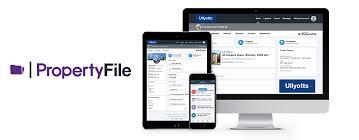
Need more details? Chat with one of our team members or dive into the world of convenience by downloading the Property File App now from your app store. Your rental experience, simplified.
The Renters’ Rights Act 2026
A Tenant’s Guide To The Renters’ Rights Act
The Renters’ Rights Act 2025 is one of the biggest changes to private renting in England for many years. It is designed to give tenants more security, make rental rules clearer, and improve standards across the private rented sector. The Act received Royal Assent in October 2025, with the main changes being introduced in stages.
At Hindhead Property, our aim is simple. We want tenants to understand their rights, landlords to understand their responsibilities, and everyone involved to have a clear, well managed tenancy.
What is changing?
The biggest change is the end of Section 21 no fault evictions. This means landlords can no longer end a tenancy without a valid legal reason. Landlords can still regain possession of a property, but they will need to use the correct legal grounds, such as selling the property, moving back in, serious rent arrears, anti social behaviour or another permitted reason.
Most private tenancies will move towards rolling periodic tenancies, rather than fixed term contracts with a set end date. This gives tenants more flexibility and security, while still allowing landlords to regain possession where there is a proper legal reason.
Rent increases will also be more controlled. In most cases, rent can only be increased once per year, with proper notice, and tenants may be able to challenge an unreasonable increase through the tribunal process.
The Act also introduces stronger rules around rental advertising, pets, discrimination and property standards. This includes restrictions on rental bidding, protection for tenants with children or those receiving benefits, and a right for tenants to request permission to keep a pet, which landlords must consider reasonably.
What does this mean for tenants?
For most tenants, the day to day renting experience should remain familiar. You will still need to pay your rent on time, look after the property, report repairs properly and follow the terms of your tenancy.
What changes is the structure around the tenancy. There should be more clarity over how rent increases are handled, how a tenancy can be ended, how repairs and property standards are managed, and what information tenants should receive.
What should tenants do?
Keep communication clear and in writing where possible. If there is a repair issue, report it promptly and give enough detail for it to be dealt with properly.
Keep copies of important documents, including your tenancy agreement, deposit information, safety certificates, rent records and any written communication about repairs or changes to the tenancy.
If you want to request a pet, make the request properly and be prepared to discuss reasonable conditions, such as suitable insurance, professional cleaning or how the property will be protected.
If you receive a rent increase notice or notice seeking possession, do not ignore it. Read it carefully and contact the managing agent, landlord or an independent advice service if you are unsure.
Our approach
Hindhead Property works with both tenants and landlords, so we understand that good renting depends on clear communication and fair expectations on both sides.
The new rules are designed to raise standards across the rental market. For good tenants and responsible landlords, the aim should be a better managed, more transparent renting experience.
If you are renting a property through Hindhead and have questions about your tenancy, repairs, documents or the new legislation, please contact our team and we will do our best to guide you clearly.
This guide is for general information only and should not be treated as legal advice. The Renters’ Rights Act is being introduced in stages, so guidance may change as further rules and implementation dates are confirmed.
For more info please see the below link:
The Renters’ Rights Act Information Sheet 2026 - GOV.UK
The Renters’ Rights Act 2025 is one of the biggest changes to private renting in England for many years. It is designed to give tenants more security, make rental rules clearer, and improve standards across the private rented sector. The Act received Royal Assent in October 2025, with the main changes being introduced in stages.
At Hindhead Property, our aim is simple. We want tenants to understand their rights, landlords to understand their responsibilities, and everyone involved to have a clear, well managed tenancy.
What is changing?
The biggest change is the end of Section 21 no fault evictions. This means landlords can no longer end a tenancy without a valid legal reason. Landlords can still regain possession of a property, but they will need to use the correct legal grounds, such as selling the property, moving back in, serious rent arrears, anti social behaviour or another permitted reason.
Most private tenancies will move towards rolling periodic tenancies, rather than fixed term contracts with a set end date. This gives tenants more flexibility and security, while still allowing landlords to regain possession where there is a proper legal reason.
Rent increases will also be more controlled. In most cases, rent can only be increased once per year, with proper notice, and tenants may be able to challenge an unreasonable increase through the tribunal process.
The Act also introduces stronger rules around rental advertising, pets, discrimination and property standards. This includes restrictions on rental bidding, protection for tenants with children or those receiving benefits, and a right for tenants to request permission to keep a pet, which landlords must consider reasonably.
What does this mean for tenants?
For most tenants, the day to day renting experience should remain familiar. You will still need to pay your rent on time, look after the property, report repairs properly and follow the terms of your tenancy.
What changes is the structure around the tenancy. There should be more clarity over how rent increases are handled, how a tenancy can be ended, how repairs and property standards are managed, and what information tenants should receive.
What should tenants do?
Keep communication clear and in writing where possible. If there is a repair issue, report it promptly and give enough detail for it to be dealt with properly.
Keep copies of important documents, including your tenancy agreement, deposit information, safety certificates, rent records and any written communication about repairs or changes to the tenancy.
If you want to request a pet, make the request properly and be prepared to discuss reasonable conditions, such as suitable insurance, professional cleaning or how the property will be protected.
If you receive a rent increase notice or notice seeking possession, do not ignore it. Read it carefully and contact the managing agent, landlord or an independent advice service if you are unsure.
Our approach
Hindhead Property works with both tenants and landlords, so we understand that good renting depends on clear communication and fair expectations on both sides.
The new rules are designed to raise standards across the rental market. For good tenants and responsible landlords, the aim should be a better managed, more transparent renting experience.
If you are renting a property through Hindhead and have questions about your tenancy, repairs, documents or the new legislation, please contact our team and we will do our best to guide you clearly.
This guide is for general information only and should not be treated as legal advice. The Renters’ Rights Act is being introduced in stages, so guidance may change as further rules and implementation dates are confirmed.
For more info please see the below link:
The Renters’ Rights Act Information Sheet 2026 - GOV.UK
Tenant Fees Act 2019
In line with the Tenant Fees Act 2019, Hindhead Property does not charge any upfront fees to tenants aside from permitted payments. These include:
- Holding deposit – capped at one week’s rent
- Tenancy deposit – capped at five weeks’ rent (or six weeks if the annual rent exceeds £50,000)
- Rent – as agreed in the tenancy
- Default fees – for late rent (3% above the Bank of England base rate after 14 days), lost keys or security devices
- Changes to the tenancy – £50 (or reasonable costs if higher), e.g. name changes or early termination if requested by the tenant
How to Rent with Hindhead Property
We’re here to make renting simple, transparent, and stress-free. Here’s a quick guide to how it works:
1. Apply Online First
Before we arrange a viewing, please complete our short Tenant Application Form. This helps us match you with the right property and speeds up the process.
2. View the Property
Once we’ve reviewed your application, we’ll get in touch to arrange a suitable time for your viewing, if you don't want to wait please feel free to call us on 01752 875075.
3. Reserve Your Property
If the landlord is happy to proceed, you’ll be invited to complete your referencing online via Rightmove and pay a holding deposit (equal to one week’s rent) to secure the property.
4. Pass Referencing
Rightmove will carry out affordability, employment, and landlord checks. Once approved, we’ll invite you to:
- Sign your tenancy agreement
- Pay your deposit and first month’s rent
- Provide ID and standing order confirmation
5. Move-In Day
If your property is fully managed by us, we’ll meet you at the property to run through the inventory, take meter readings, test alarms, and hand over the keys.
Need more support? Visit Rightmove’s Tenant Advice Page or contact our team — we’re always happy to help.
What Does “Behaving in a Tenant-Like Manner” Really Mean?
Your tenancy agreement sets out the responsibilities of landlords and tenants clearly so everyone knows what they are responsible for.
In short:
Landlord Responsibilities:
The landlord is not responsible for damage caused by negligence or failure to keep the property in a tenant-like manner. Tenants must take care of everyday small tasks.
What Is “Tenant-Like Manner”?
The phrase comes from the 1953 court case Warren v Keen, where Lord Denning explained tenants must do the small jobs a reasonable tenant would do, and avoid damage through negligence.
“…do the little jobs around the place which a reasonable tenant would do… not damage the house wilfully or negligently.”
Simply put, tenants should keep the property safe and tidy by doing small maintenance tasks themselves.
Tenant-Like Manner Checklist
If you owned the home, would you hire a contractor to fix this? If not, it's probably your responsibility. Here’s a quick checklist:
Inside the Property:
In short:
Landlord Responsibilities:
- Repairs to structure and exterior (roof, walls, gutters, drains, foundations)
- Maintaining water, gas, electricity, and sanitation systems
- Heating and hot water system maintenance
The landlord is not responsible for damage caused by negligence or failure to keep the property in a tenant-like manner. Tenants must take care of everyday small tasks.
What Is “Tenant-Like Manner”?
The phrase comes from the 1953 court case Warren v Keen, where Lord Denning explained tenants must do the small jobs a reasonable tenant would do, and avoid damage through negligence.
“…do the little jobs around the place which a reasonable tenant would do… not damage the house wilfully or negligently.”
Simply put, tenants should keep the property safe and tidy by doing small maintenance tasks themselves.
Tenant-Like Manner Checklist
If you owned the home, would you hire a contractor to fix this? If not, it's probably your responsibility. Here’s a quick checklist:
Inside the Property:
- Change lightbulbs
- Replace smoke detector batteries
- Re-pressurise the boiler (if instructed)
- Bleed radiators
- Unblock sinks and toilets
- Keep the property clean and ventilated
- Manage minor pests (ants, wasps)
- Keep grass cut and tidy
- Sweep leaves and garden debris
- Maintain patios and decking (jet wash, clean seasonally)
- Treat and maintain timber decking
- Trim shrubs and trees as needed
- Report and prevent invasive plants like Japanese knotweed, bamboo, buddleia